Jars & lids
Canning Jar Sizes and Mouth Widths: A Plain Guide
Regular or wide mouth, half-pint or quart: what each size is for, why your recipe decides, and how many fit in your canner.
Plain-English guides to picking the right canning method, jars and fermenting gear, built on USDA and NCHFP tested guidance rather than guesswork.
Safety steps cite the USDA Complete Guide and the National Center for Home Food Preservation.
Specs come from the maker. No invented ratings, and we never claim tests we didn't do.
Amazon affiliate links are labeled at every button. Links to maker spec sheets and USDA/NCHFP sources are plain reference links.
Amazon picks grouped by what you want to put up. Read the matching guide first; then use Check price on Amazon when you are ready to buy.
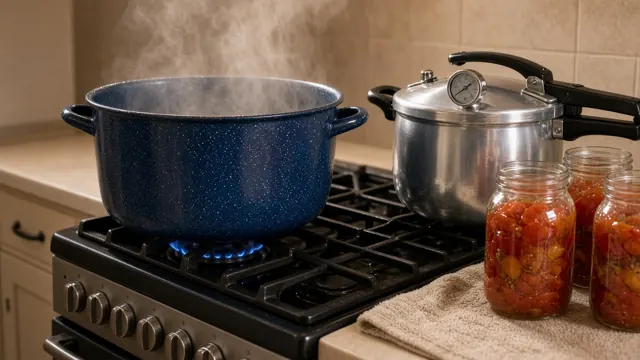
High-acid foods: jams, pickles, tomatoes with added acid.
Low-acid foods: green beans, stocks, meats.
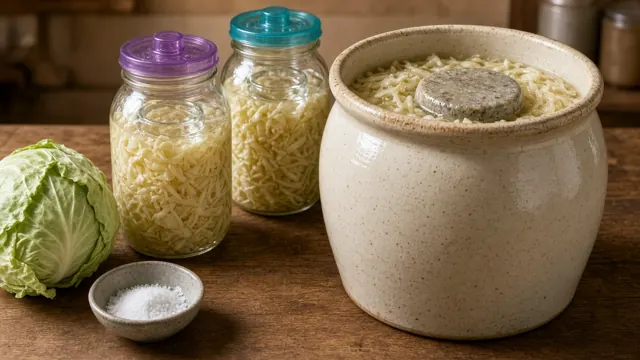
Sauerkraut, pickles and kimchi in mason jars or a crock.
Amazon buttons are affiliate links (we may earn a commission at no extra cost to you). See our disclosure.
Start anywhere. Each one links to the tested guidance behind it.
Jars & lids
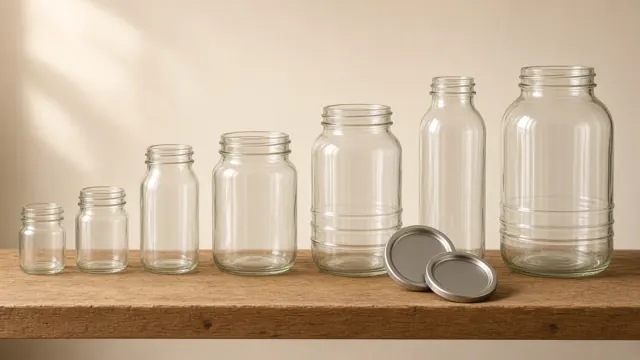
Regular or wide mouth, half-pint or quart: what each size is for, why your recipe decides, and how many fit in your canner.
Canning methods
Acidity decides the method. Here's how each canner works, the steps that keep food safe, and how to pick the right one.
Gear guides
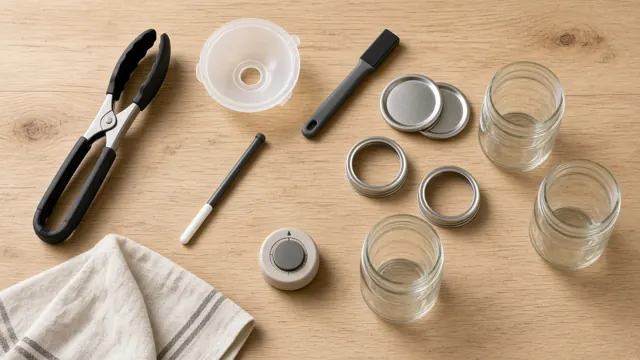
The short list of tools that actually matter, why each one is there, and the gadgets and shortcuts to skip.
Fermenting
Weights, airlocks and crocks all do one job: keep vegetables under brine. Here's how each works and which setup fits your batch size.
The most important decision is which canning method a food needs. Get that right, and the rest is following a tested recipe.